🐝 Wasp Bites
Vespidae (family; includes yellowjackets)
Large painful red welt; wasps usually do not leave a stinger and can sting more than once.
Quick identification
- Sharp immediate pain
- Raised intensely red welt
- Usually no stinger left behind
- Can sting more than once
- Picnics, trash, eaves nests
Appearance of the bite
Typical bite size
Often a noticeable swollen welt; can enlarge over hours
Color
Intensely red
Shape
Raised dome or swollen patch
Texture
Painful; may feel hot
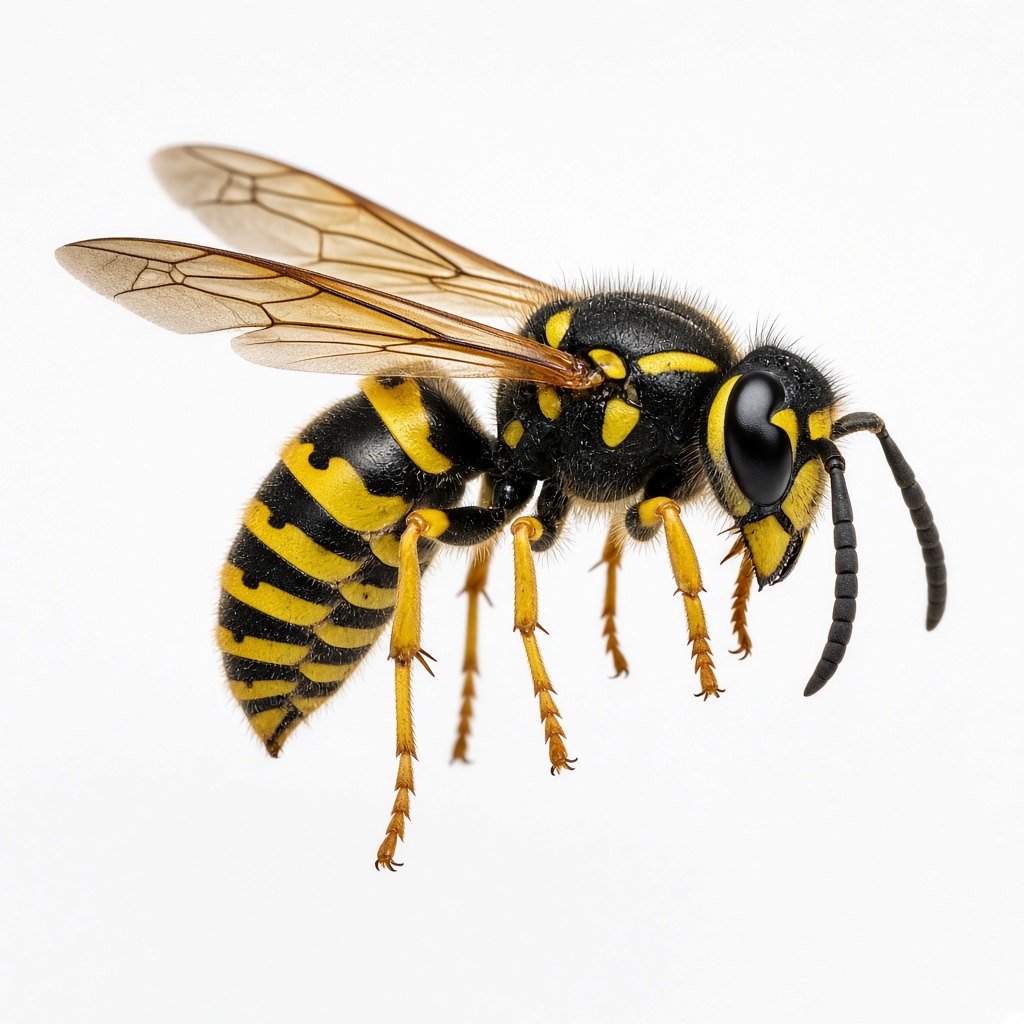
About the insect
Insect size
Often 10–25 mm depending on species
Insect color
Smooth yellow and black (or similar) bands; less fuzzy than bees
Habitat / exposure
Yards, picnics, trash, eaves nests, and outdoor food
- Daytime outdoors, especially late summer
- Near food, drinks, and trash
- Disturbing nests
Typical bite pattern
Pattern: Sharp pain with a raised red welt; no stinger left behind
Common location: Exposed skin outdoors; sometimes multiple stings
Timing: Daytime outdoors, especially late summer
Typical number: One or multiple stings if wasps are agitated
How it changes over time
Pain is immediate. Swelling and redness can worsen for several hours before slowly improving over days.
Key clues for identification
No leftover stinger plus ability to sting repeatedly points toward wasps/yellowjackets more than honey bees. Context near picnics/trash/nests helps. Not an overnight bite-line pattern.
Reaction variability
Local swelling varies widely. Allergy risk means similar-looking welts can have very different medical urgency—treat breathing/hives symptoms as emergencies.
Lookalikes
- Bee sting
- Hornet sting
- Horsefly bite
Basic care
Clean the area and use cold compresses. Avoid squeezing the site.
When to seek medical care
Seek urgent care for trouble breathing, facial/throat swelling, widespread hives, dizziness, stings in the mouth/throat, many stings, or rapidly spreading redness. Seek care for infection signs.
Wasp FAQ
What do wasp stings look like?›
Large painful red welt; wasps usually do not leave a stinger and can sting more than once. Typical bite size: Often a noticeable swollen welt; can enlarge over hours. Color: Intensely red.
How can I tell wasp stings apart from lookalikes?›
No leftover stinger plus ability to sting repeatedly points toward wasps/yellowjackets more than honey bees. Context near picnics/trash/nests helps. Not an overnight bite-line pattern.
How do wasp stings change over time?›
Pain is immediate. Swelling and redness can worsen for several hours before slowly improving over days.
Do wasp stings look the same on everyone?›
Local swelling varies widely. Allergy risk means similar-looking welts can have very different medical urgency—treat breathing/hives symptoms as emergencies.
When should I seek medical care for wasp stings?›
Seek urgent care for trouble breathing, facial/throat swelling, widespread hives, dizziness, stings in the mouth/throat, many stings, or rapidly spreading redness. Seek care for infection signs.
Educational disclaimer
AnimalIDFinder provides educational information about insects and common bite or sting patterns. This page does not diagnose disease, confirm what bit you from a skin photo alone, or replace a clinician. For emergencies, call local emergency services.