Are Falconry Hoods Cruel? What Falconry Hoods Do and Why They Are Used
A hooded falcon can look unsettling if you have never seen falconry equipment. The honest welfare answer is not a one-word slogan — it depends on fit, materials, duration, and how the bird is managed.
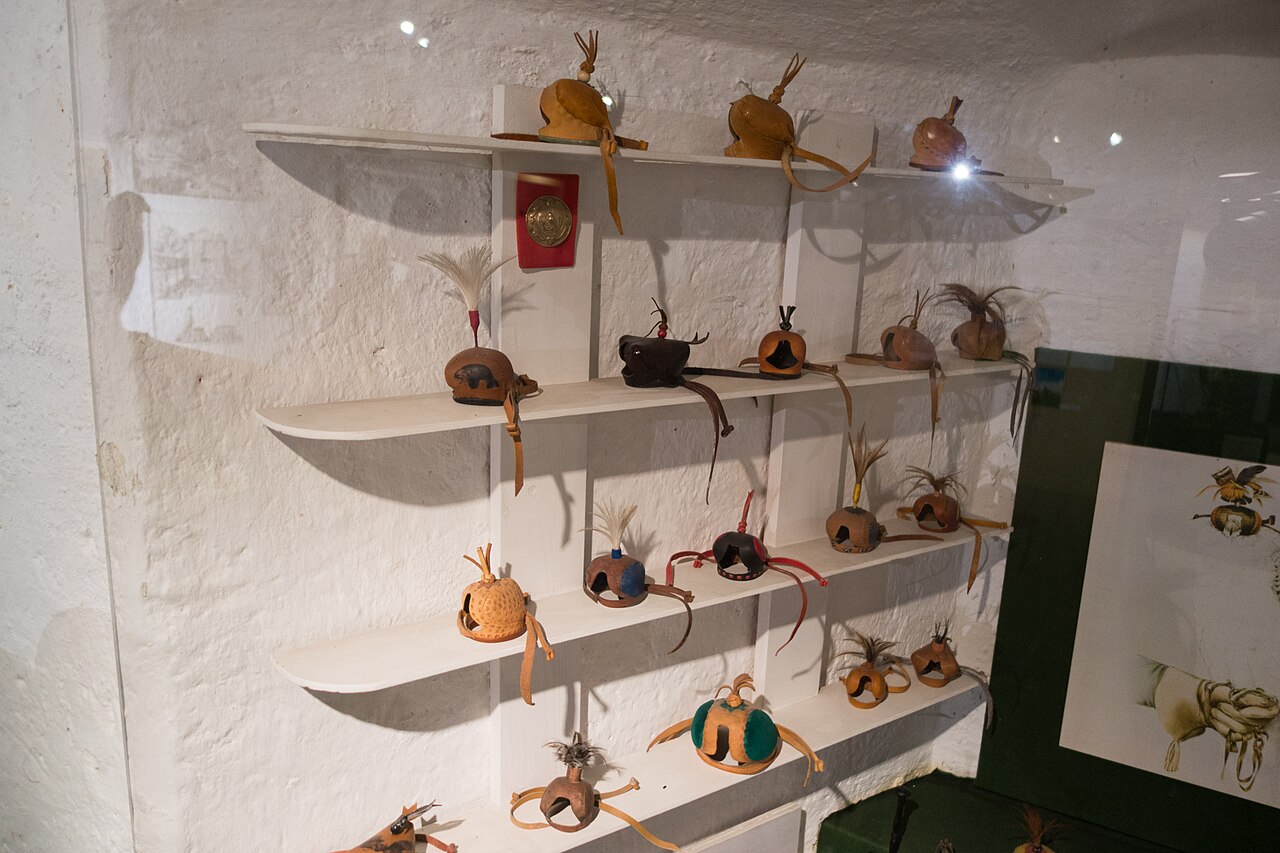
Quick answer
Are falconry hoods cruel? It depends how they are made and used. A well-fitted hood that leaves the beak and nostrils free, used for situational calming rather than endless confinement, is widely treated in falconry as a husbandry tool — not as punishment. A poorly fitted or misused hood can cause discomfort, irritation, or injury, and that is a welfare failure.
This guide explains the intended purpose, known risks, and why responsible standards matter. For the functional “how/why” of hooding, start with Why Do Falcons Wear Hoods?.
Why Are Falconry Hoods Used?
Falconry hoods are used primarily to reduce visual stimulation. Trained raptors may otherwise react strongly to movement, people, other birds, or prey cues. By covering the eyes, a falconer can often help a bird remain quieter during transport, waiting, and handling.
Hoods are also used to prevent distractions and to make certain management moments safer for both bird and handler. They are part of a broader equipment set that often includes jesses, a leash, and a falconry glove.
Intended purpose does not automatically equal good welfare in every case — purpose explains why the tool exists; husbandry quality decides whether its use is acceptable for a given bird.
Do Falconry Hoods Hurt Falcons?
A hood should not hurt when it fits correctly, uses appropriate materials, and is put on and removed with skill. Soft, well-finished leather (or approved alternatives), a shape that clears the eyes, and secure but non-constricting bracing are the usual standards described by experienced falconers.
Proper fit
Fit is everything. Too tight and the hood can press on sensitive facial areas or restrict natural head carriage. Too loose and it may shift, rub, or startle the bird when it moves. Hoods are often sized and adjusted to the individual.
Appropriate materials and correct use
Rough seams, hard edges, dirty interiors, or improvised materials raise injury risk. Correct use also means not forcing a terrified bird into equipment as a substitute for training and trust-building.
Properly fitted vs improper use
A properly fitted hood is a temporary visual barrier. Improper use — wrong size, damaged hood, aggressive application, or ignoring signs of distress — can turn a traditional tool into a welfare problem. That distinction is why a simple “never cruel” claim is incomplete.
Can a Falcon Breathe Normally With a Hood?
Yes — when the hood is built correctly. Falconry hoods are designed with openings that leave the beak and nostrils clear. The covering is for the eyes and upper head, not a sealed bag over the whole face.
Proper construction matters: blocked nares, collapsed openings, or a hood that rides forward onto the cere can interfere with comfortable breathing and feeding cues. If a bird appears to struggle for air, that is an emergency husbandry failure, not a normal effect of hooding.
Is Covering a Bird's Eyes Stressful?
Raptors are highly visual. Covering the eyes removes a major sensory channel. For many trained birds that already accept the hood, reduced stimulation appears calming — less scanning, less bate (panic flying off the fist), less continuous arousal in chaotic settings.
Not every bird responds identically. Some individuals resist hooding; some need careful conditioning; some may be better managed with other strategies. Stress signs (persistent thrashing, injury attempts, refusal to settle) are information for the falconer, not something to ignore because “hoods are traditional.”
So covering the eyes can reduce stress from visual overload while still requiring skill so the act of hooding itself does not become a stressor.
How Long Do Falcons Wear Hoods?
Use is generally situational rather than continuous. Duration depends on transport length, waiting time before a flight, the environment’s intensity, and the bird’s history with the hood.
Responsible practice frames hooding as a tool for specific moments — not as all-day sensory deprivation for convenience. Exact minutes or hours are not universal; individual husbandry judgment and local falconry standards matter more than a single rule of thumb.
What Happens If a Falcon Hood Fits Poorly?
Poor fit can lead to:
- Discomfort and agitation instead of calm
- Rubbing, hot spots, or irritation on the head and face
- Pressure near the eyes or cere
- In severe cases, injury from thrashing or abrasive contact
- Loss of trust in handling if hooding becomes consistently aversive
Why experienced falconers obsess over fit
Experienced falconers pay close attention to fit because a bad hood undermines both welfare and practical handling. A tool that is supposed to calm the bird fails if it hurts or frightens the bird every time it goes on.
Falconry Hoods vs. Animal Welfare Concerns
Supporting responsible use: Advocates argue that situational hooding can reduce fear responses in artificial environments, prevent injury from bate-offs, and keep birds quieter during necessary transport — when combined with good diet, veterinary care, flight opportunity, and trained handling.
Welfare concerns: Critics worry about sensory restriction, potential misuse, and the broader ethics of keeping wild-type predators for sport. Concerns intensify when equipment is used as a shortcut for poor training or when birds show ongoing distress.
A balanced educational view: proper fit, construction, duration, and professional standards matter. Hooding is not automatically kind or automatically cruel. Husbandry quality and regulatory frameworks (where falconry is legal) are part of the ethical picture.
Are Falconry Hoods Used on Wild Falcons?
Wild falcons do not wear falconry hoods as part of natural life. Hoods belong to trained falconry birds (and similar trained raptors) managed by people.
Wildlife rehabilitators or researchers may occasionally use specialized restraint or covering techniques under professional protocols, but that is a different context from classical falconry equipment culture. For wild species natural history, see the Peregrine Falcon profile rather than falconry gear guides.
Frequently asked questions
Are falconry hoods cruel?+
Not automatically — and not never. A properly fitted, well-made hood used situationally can be a calming management tool. Poor fit, rough materials, or misuse can cause real harm. Evaluate practice, not just tradition.
Do falcon hoods hurt?+
They should not hurt when correctly sized and finished. Pressure, rubbing, or damaged interiors can hurt. Fit and condition of the hood are critical.
Can birds breathe in falconry hoods?+
Yes. Proper hoods leave the beak and nostrils open. Any design that blocks normal breathing is unsafe and incorrect.
Can falcons see through their hoods?+
Hoods are meant to block or nearly block vision. Temporary darkness is intentional; it is not the same as injuring the eyes.
How long can a falcon wear a hood?+
There is no single universal time limit published for every bird and situation. Use is typically situational (transport, waiting, handling). Duration should be justified by need and monitored for welfare — not left on indefinitely for convenience.
Related falconry & falcon guides
Identify birds by picture
Spotted a falcon, eagle, or other bird of prey? Use AnimalIDFinder’s bird identifier, then open encyclopedia profiles for habitat and behavior notes.