Why Do Falcons Wear Hoods? The Science Behind Falconry Hoods
Falconry hoods are not decoration. They are a classical handling tool that limits what a trained bird of prey can see, helping many birds stay calmer during transport, waiting, and busy human environments.
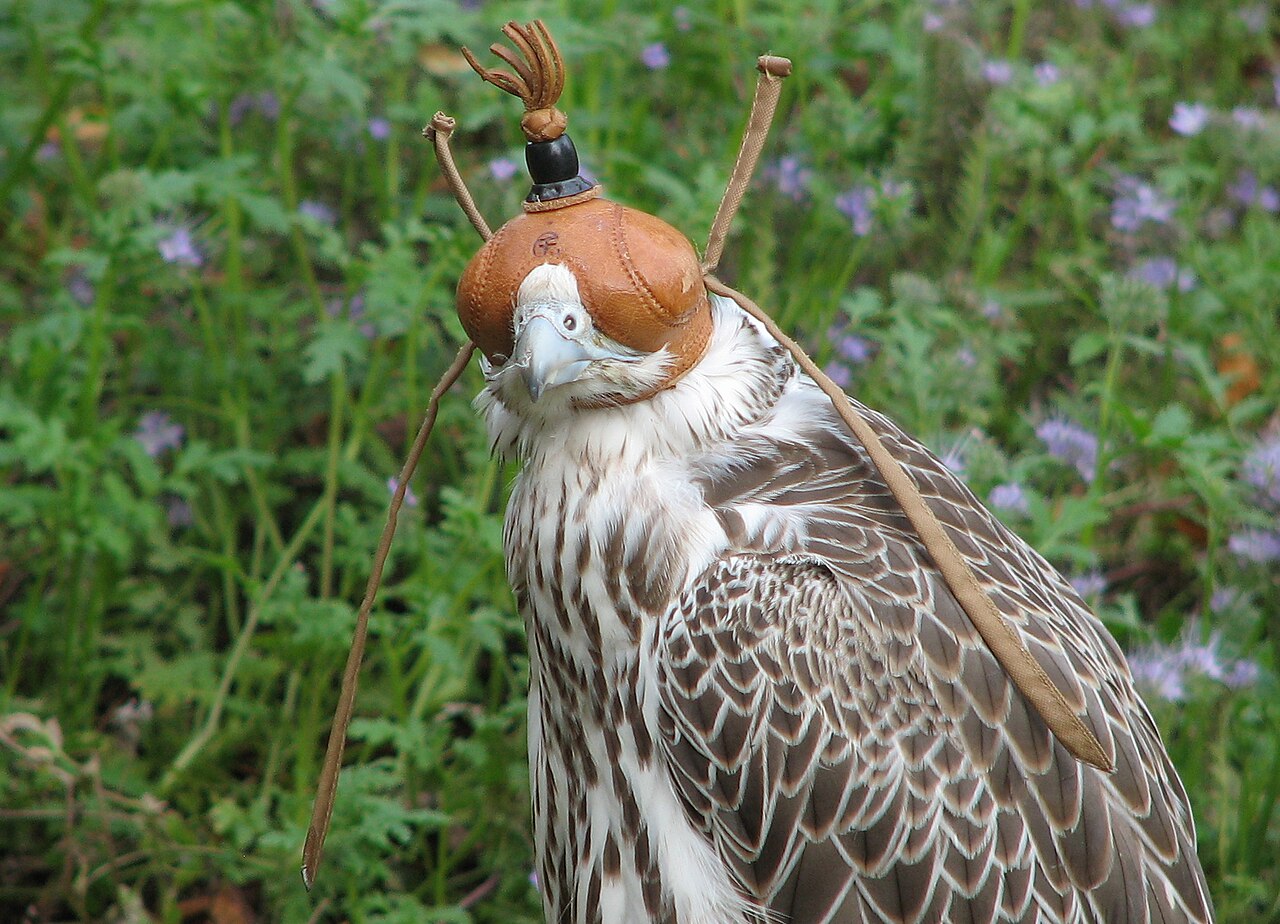
Quick answer
Why do falcons wear hoods? In falconry, a hood is a fitted leather (or similar) covering placed over a trained bird’s head so the bird sees little or nothing. Limiting visual input often helps the bird remain quieter and less reactive in situations that would otherwise be overwhelming — travel, crowds, waiting before a flight, or noisy surroundings.
Wild falcons do not “need” hoods. Hoods are a management tool used with trained birds of prey, not a natural requirement of falcon biology. For welfare questions about whether that practice is kind, see Are Falconry Hoods Cruel?.
What Is a Falconry Hood?
A falconry hood is a small head covering designed specifically for birds of prey used in falconry. Traditional hoods are often made of leather and shaped so they sit snugly over the crown, eyes, and sides of the head while leaving the beak and nostrils free.
Basic design goals are practical: the hood should stay on without constant adjustment, block most or all of the bird’s forward and side vision, and avoid pressing uncomfortably on the eyes, cere, or throat. Falconers historically developed many regional styles — Dutch, Arab, Anglo-Indian, and modern hybrid patterns among them — but the functional idea is shared across traditions.
A hood is fitted over the bird’s head like a soft helmet. Braces, ties, or drawstrings (depending on style) help keep it secure. The bird’s bill protrudes through an opening so the falcon can breathe, drink when offered, and vocalize. Because raptors rely heavily on vision when hunting and assessing threats, covering the eyes is a powerful way to change how reactive the bird is in artificial settings.
Why Do Falcons Wear Hoods?
Falcons — and other trained raptors — are visually oriented predators. Sudden movement, unfamiliar people, dogs, vehicles, or competing birds can trigger attention, wing-flapping, or stress responses. A hood reduces that flood of visual information.
Reducing visual stimulation
When a bird cannot see the busy world around it, many individuals settle. Darkness or near-darkness is not “sedation,” but it often lowers the bird’s continuous scanning and startle responses. Falconers use that effect carefully so the bird conserves energy and stays manageable until it is time to fly or hunt.
Keeping the bird calm during transport
Cars, crates, airports (where permitted and regulated), and long waits are full of motion and noise. Hooding during transport is a common practice meant to help the bird remain quieter while moving between sites. The hood does not replace good husbandry — secure perching, ventilation, temperature awareness, and legal transport rules still matter.
Helping prevent distractions
At meets, field days, or demonstration settings, other birds, prey animals, and crowds can pull a falcon’s attention constantly. A hood can limit those distractions until the falconer is ready to unhood and fly the bird.
Making certain handling situations easier
Hoods may be used around weighing, equipment checks, or short waiting periods when the bird would otherwise fixate on surroundings. Falconers typically remove the hood once the bird is on the glove in a suitable setting and ready to work. For the glove side of handling equipment, see Why Do Falconers Wear Gloves?.
Do Falcon Hoods Completely Block a Falcon's Vision?
A well-made hood is intended to block or nearly block the bird’s vision while it is worn. The leather or material covers the eyes; it is not a tinted visor for “seeing a little.” Some designs may allow tiny gaps of light at seams, but the practical goal is darkness around the eyes.
Darkness can have a calming effect because the bird is no longer tracking every moving object. That is different from damaging vision. A proper hood does not press into the eyeball or scrape the cornea when fitted and used correctly. Blocking sight temporarily is not the same as harming the eyes.
If a hood is poorly shaped, too tight, or left on inappropriately, discomfort and welfare problems can follow — which is why fit and use are central to the welfare discussion in Are Falconry Hoods Cruel?.
Why Do They Cover Eagles' Eyes?
People often ask “why do they cover eagles’ eyes?” after seeing photos or videos of hooded eagles or hawks. The answer is the same principle used with falcons: trained birds of prey can be hooded to reduce visual stimulation during handling, transport, or waiting.
Eagle and hawk handlers may use hoods because large raptors are also highly visual and can be powerful on the fist. Hood use is not limited to falcons. Species, individual temperament, tradition, and local practice all influence whether a hood is used for a given bird.
If you are identifying a large bird of prey from a photo, compare species profiles such as the Bald Eagle and Golden Eagle — hoods are equipment, not a field mark of wild birds.
Do All Falcons Wear Hoods?
No. Not every falcon wears a hood, and a hood is not a permanent accessory like a ring or jess.
Whether a bird is hooded depends on the individual bird, the falconer’s methods, the situation, and the type of falconry being practiced. Some birds are managed with hoods frequently; others are trained and handled with less hooding or different calming strategies. Wild falcons never wear hoods.
When you see a hooded falcon in media, you are usually looking at a trained falconry bird in a managed setting — not a wild Peregrine Falcon on a cliff ledge.
When Is a Falcon Hood Used?
Hood use is generally situational. Common contexts include:
- Transport between home, field, or veterinary settings (where legal and appropriate)
- Handling and short procedures when visual calm is helpful
- Waiting periods before a flight or hunt
- Busy or visually chaotic environments (crowds, traffic, other animals)
- Situations with excessive visual stimulation that would otherwise agitate the bird
When falconers may remove the hood
Falconers typically unhood the bird when it is time to fly, hunt, bathe (in suitable conditions), or otherwise interact with the environment. Continuous, all-day hooding without purpose is not the model responsible practitioners describe; the tool is used for specific management moments.
Does a Falcon Need a Hood?
A wild falcon does not need a hood. Hoods are a falconry management tool, developed for trained birds living and working with people.
In the wild, falcons regulate their own rest, hunting, and social distance. In falconry, humans introduce cars, indoor spaces, crowds, and scheduled flights — contexts that do not exist in natural hunting life. The hood is one traditional answer to managing vision-driven stress in those artificial situations.
Whether hooding is appropriate for a particular bird is a husbandry and ethics question, not a biological “requirement.” Read more on welfare trade-offs in Are Falconry Hoods Cruel?, and explore related equipment in Why Do Falconers Wear Gloves?.
Frequently asked questions
Why do falcons wear hoods?+
Trained falcons may wear hoods to reduce visual stimulation and help them stay calmer during transport, waiting, or busy environments. The hood covers the eyes so the bird is less reactive to movement and distractions around it.
Why do they cover eagles' eyes?+
The same falconry principle can apply to trained eagles and other raptors. Handlers may use hoods to limit visual input during handling or transport. Hood use is not unique to falcons.
Can falcons see through their hoods?+
A properly designed falconry hood is meant to block or nearly block vision. It is not a see-through mask. Temporary darkness is the intended effect; it is not the same as damaging the bird’s eyesight.
Do falcon hoods hurt birds?+
A correctly fitted hood made of suitable materials should not hurt the bird. Poor fit, rough interiors, or improper use can cause discomfort or injury. Fit and responsible use matter — see our welfare-focused guide on whether falconry hoods are cruel.
Do all falconers use hoods?+
No. Practices vary by tradition, species, individual bird, and situation. Hoods are a common tool in many falconry cultures, but they are not universal or permanent.
Related falconry & falcon guides
Are Falconry Hoods Cruel?
Welfare-focused look at fit, breathing openings, stress, and responsible use.
Read guideWhy Do Falconers Wear Gloves?
How falconry gloves protect hands and give the bird a safe perch.
Read guideWhy Are Falcons So Expensive?
Species, training, rarity, and legal factors that affect falcon value.
Read guideIdentify birds by picture
Spotted a falcon, eagle, or other bird of prey? Use AnimalIDFinder’s bird identifier, then open encyclopedia profiles for habitat and behavior notes.