Why Are Falcons So Expensive? 7 Factors That Affect Their Value
Falcon prices are not one sticker amount. Species biology, captive breeding costs, training time, rarity, pedigree, market demand, and legal permits all push costs up — and rules differ dramatically by country.
Quick answer
Why are falcons so expensive? Because acquiring and keeping a legal falconry bird usually combines specialized species markets, costly captive breeding, months or years of training, rarity and pedigree, strong demand in some regions, and legal/regulatory overhead (permits, facilities, inspections).
There is no trustworthy universal “falcon price.” Quotes vary by country, legality, species, age, training, and seller. Treat any single viral number as incomplete.
Why Are Falcons Expensive? (7 Factors)
These seven factors commonly affect what people pay — or whether they can legally purchase a bird at all:
- Species — peregrines, gyrfalcons, sakers, hybrids, and others sit in different market niches
- Breeding — specialist facilities, incubation, and chick rearing are expensive
- Training — time and skill to produce a reliable hunting or demonstration bird
- Rarity — uncommon bloodlines or hard-to-produce birds command premiums
- Pedigree / genetics — documented lineage and desired traits can raise value
- Demand — regional falconry cultures and prestige markets influence willingness to pay
- Legal / regulatory requirements — permits, captive-bred paperwork, and facility standards add cost and limit supply
Which Falcons Are More Expensive?
Prices differ by species and by individual. A young untrained bird is not priced like an experienced hunting partner. Local legality can make the same species unavailable — or available only through tightly controlled channels.
Avoid treating one social-media figure as “the” falcon price everywhere. Markets are fragmented.
Does Falcon Species Affect the Price?
Yes. Commonly discussed falconry-related species groups include:
- Peregrine falcons — famous stooping hunters; see the Peregrine Falcon encyclopedia profile for natural history (wild biology is not a price list)
- Gyrfalcons — large Arctic falcons often associated with high market interest
- Saker falcons — important in some traditional falconry regions
- Hybrids — captive-bred crosses produced for falconry traits or appearance
- Other falconry species — merlins, lanners, and more, depending on local practice
Individual variation
Within a species, health, age, sex, temperament, and training history still create wide spreads. Species is a starting category, not a fixed catalog price.
Why Are Gyrfalcons Often Associated With High Prices?
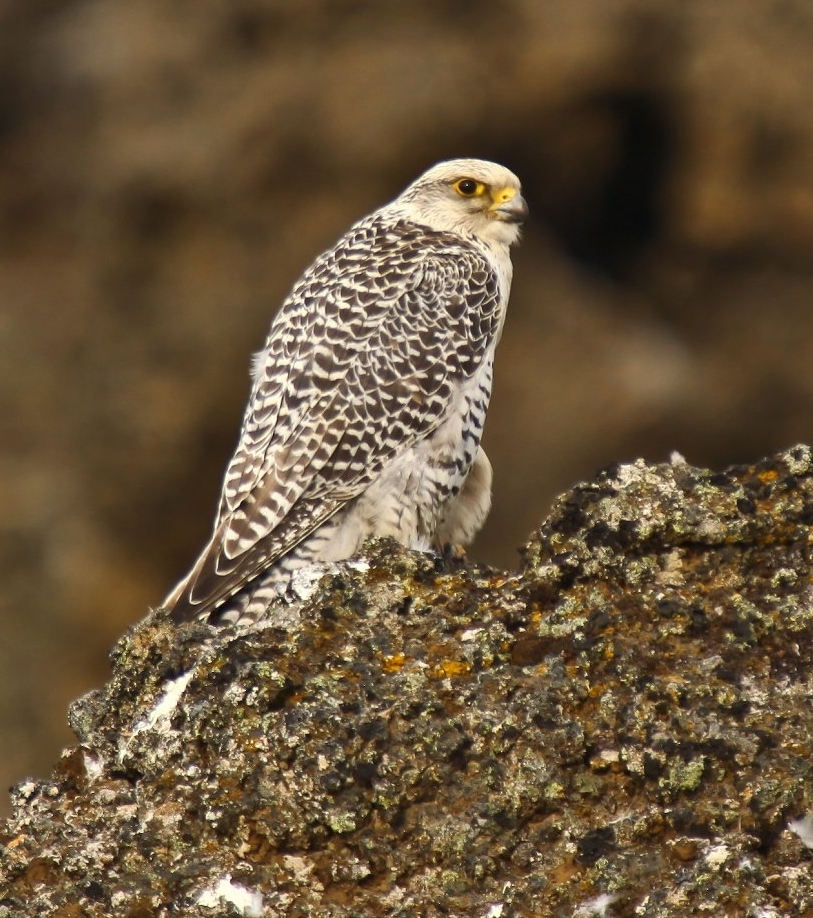
Gyrfalcons are frequently linked with high prices because of a mix of size, striking appearance, breeding challenges, relative rarity in captive production, and strong falconry demand in some markets.
None of that means every gyrfalcon transaction looks the same — or that high price equals better welfare or better hunting. It means the market narrative around gyrfalcons often sits at the expensive end of falconry conversation.
Does Training Make a Falcon More Expensive?
Usually yes. An untamed or untrained bird is not the same product as a bird that has been carefully manned (accustomed to people), flown, and proven in the field.
Training represents skilled labor over time. Hunting performance and experience can add value for buyers seeking a working partner — though “trained” still requires ongoing skill from the new falconer.
Does the Falcon's Color Affect Its Value?
Appearance can influence demand. Light or white morphs — including some gyrfalcon color forms — may attract prestige interest. Genetic traits that produce distinctive plumage can raise prices when buyers chase rarity or aesthetics.
Appearance is not the same as hunting ability. A striking bird is not automatically a better hunter. (White or pale falcons are a research-worthy identification topic of their own; this article does not treat “white falcon” as a separate species page.)
Why Is Falcon Breeding Expensive?
Responsible captive breeding needs specialist facilities, experienced breeders, high-quality food, veterinary care, incubation equipment, and careful chick rearing. Failure rates and long timelines add financial risk.
Those upstream costs help explain why legal captive-bred birds are not priced like ordinary pets.
Are Falcons Legal to Own Everywhere?
No. Wildlife laws differ by country and often by state or province. Many places require falconry permits, facility standards, and proof that birds are captive-bred through legal channels. Taking wild birds is heavily restricted or banned in numerous jurisdictions.
Legal ownership is not a casual pet decision. Always check current local regulations and licensed mentor pathways where falconry is practiced. This site cannot authorize ownership or provide legal advice for your location.
Is a More Expensive Falcon Always a Better Hunting Bird?
No. Price reflects market forces — rarity, looks, pedigree hype, training marketing — not a guaranteed performance score.
Species biology, individual temperament, falconer skill, quarry, and flying conditions shape hunting outcomes more than a purchase receipt. An expensive bird poorly flown is still a poor match; a suitable species well trained by a skilled falconer can outperform a pricier mismatch.
Frequently asked questions
Why are falcons so expensive?+
Specialized breeding, training time, rarity, pedigree demand, and legal compliance all raise costs. Falcons are not mass-market pets.
What is the most expensive falcon?+
There is no single global answer. Large or rare birds such as some gyrfalcons and prized bloodlines are often discussed at the high end, but markets and legality vary too much for one ranking.
Why are white falcons expensive?+
Distinctive pale or white plumage can increase demand for appearance and rarity. Color premiums are about aesthetics and scarcity narratives — not proof of superior hunting.
How much does a falcon cost?+
Costs vary dramatically by country, species, training, and legal status. No single number applies worldwide; treat viral price quotes cautiously.
Can anyone legally own a falcon?+
Usually not without meeting local wildlife and falconry rules. Many regions require permits, apprenticeships, or prohibit private ownership entirely. Check your local law.
Related falconry & falcon guides
Why Do Falcons Wear Hoods?
Equipment costs are only part of falconry — hoods explained.
Read guideWhy Do Falconers Wear Gloves?
The glove is essential kit beyond the bird’s purchase price.
Read guideDo Female Falcons Eat Male Falcons?
Biology and behavior myths separate from ownership economics.
Read guideIdentify birds by picture
Spotted a falcon, eagle, or other bird of prey? Use AnimalIDFinder’s bird identifier, then open encyclopedia profiles for habitat and behavior notes.